Know which disruption breaks sustainment before it reaches the depot.
Semantic Visions spots the disruption in open sources. Almato's Bardioc shows where it cascades. Your staff decide.

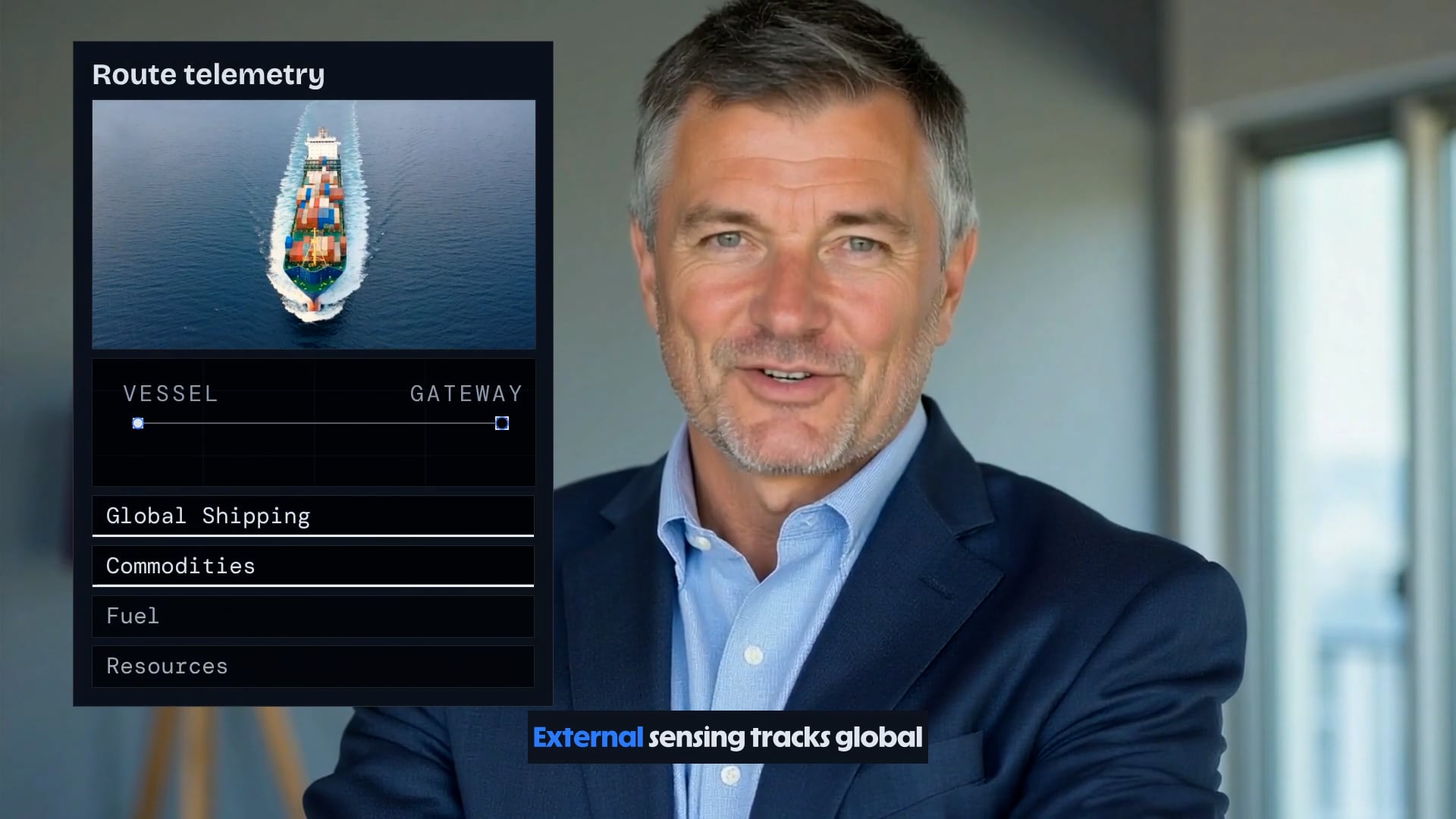
Disruptions start far from the region they affect.
A strike at a reception port, an incident on a rail corridor or a fuel shortage upstream is usually reported in public sources, often first in local languages. The hard part is connecting that report to the routes, depots and units it will reach, in time to act.
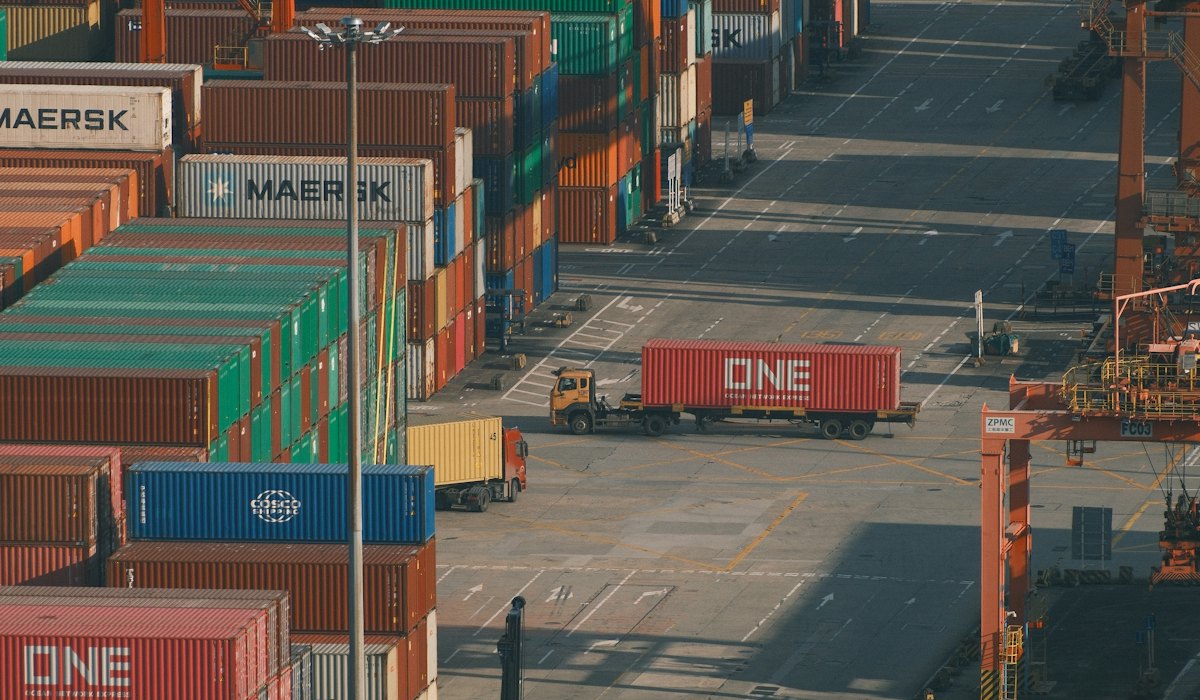
Throughput loss at a reception port
Congestion, labour action, closures or damage that slow what reaches the theatre.
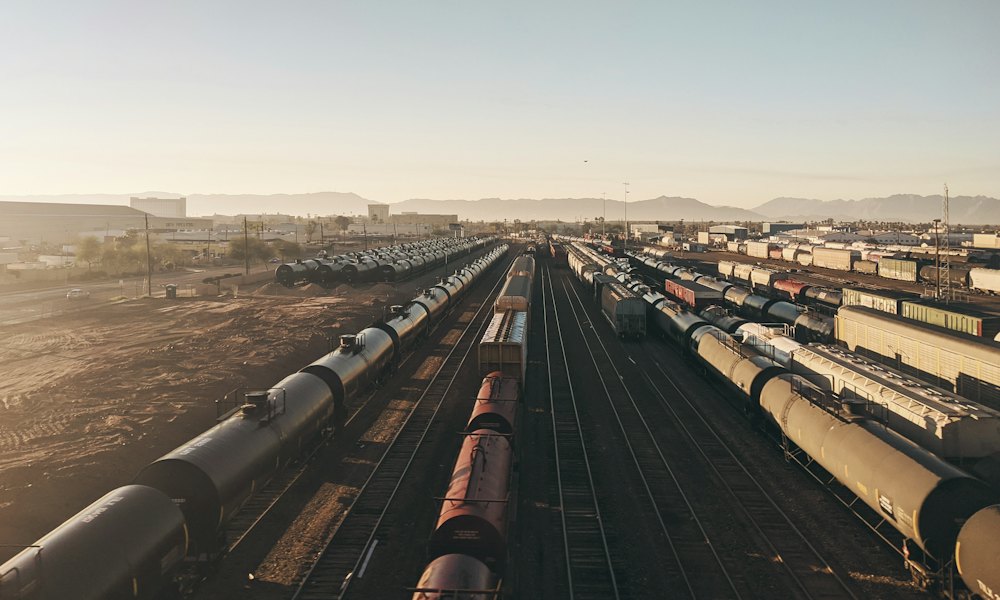
Rail, road and pipeline incidents
Outages, sabotage indicators and closures on the onward routes that resupply depends on.
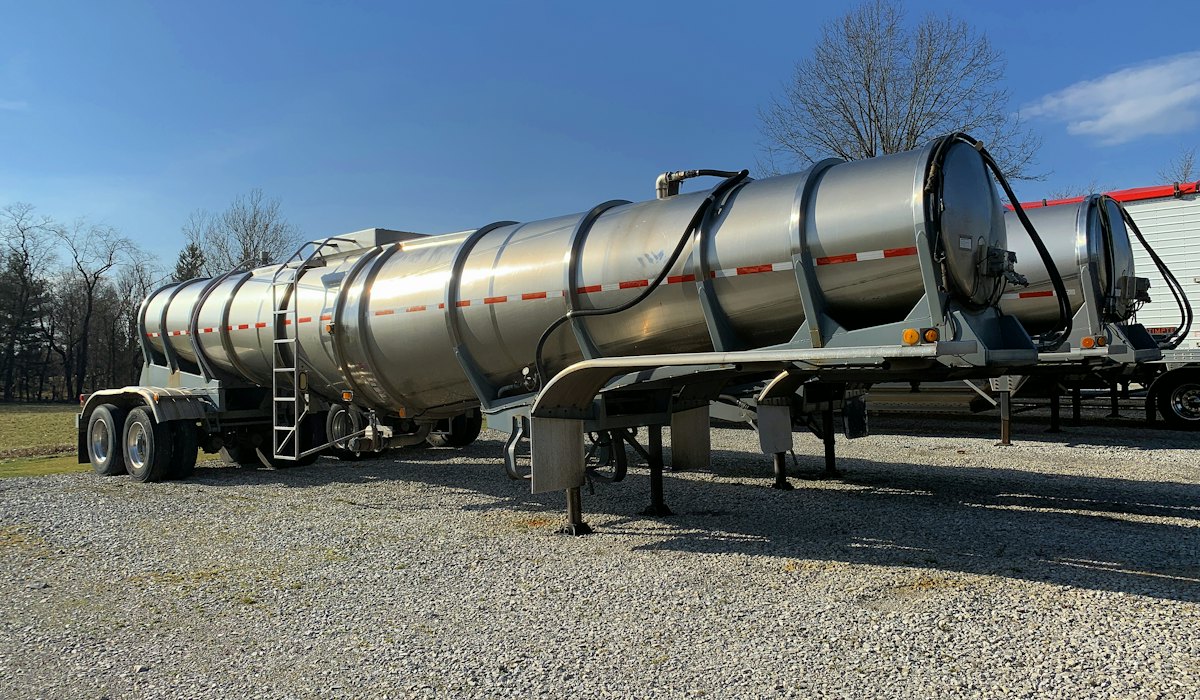
Fuel, spare parts and critical stocks
Shortages and supplier disruptions that narrow commodity and resource flows downstream.
Sense. Connect. Decide. One port, one potential cascade, and a clear owner for each step.
A signal, with its source attached
Semantic Visions detects a potential throughput loss at Port Alpha in open sources. The signal record shows facility, event, time, evidence and confidence rationale, and marks what is reported and what still needs confirmation.
Placed in the dependencies it affects
Bardioc relates the signal to a dependency model approved by the mission owner: Port B, the onward rail corridor, fuel distribution, commodity and resource flows.
The cascade, legible for human review
Planners see how flows narrow in sequence, open the source, inspect the assumptions and weigh the options. Commanders retain decision authority; nothing is approved automatically.
Every warning separates what is reported from what still needs confirmation.
No black box. Each output carries three layers a second reviewer can challenge: what was observed in the source, what we assess from it, and which check would resolve what remains open.
The event as public sources describe it, with URL, timestamp and language.
What is not yet corroborated, stated explicitly with the collection gap behind it.
The modelled consequence and its assumptions go to people who decide. Final determinations stay with authorised teams.
Two European capabilities, one decision-support layer.
Open-source intelligence. Multilingual event detection in 12 languages, every signal linked to its source and confidence rationale.
Bardioc models routes, nodes and dependencies in an ontology and links them without migrating existing systems.
Presented together to Czech and German military leadership at NATO Days 2026, Ostrava.
Built on four principles
Made and governed in Europe
Czech open-source intelligence and German semantic integration, under European control.
No black box
Every recommendation has a traceable source and logic.
The human decides
The system advises and explains. It does not take over authority.
No migration, no replacement
Works alongside existing command, logistics and NATO systems.
Who it is for
J4 sustainment and logistics planners
External risk to routes, depots and supply flows.
J3 operations and J5 plans
Disruption context for current operations and planning.
Mission owners
Earlier warning with the evidence to act on it.
Critical infrastructure and transport
Designed for defence, applicable to ports, energy and transport operators.
Validate it on one sustainment question.
One bounded scenario over around four weeks, on public or controlled synthetic data. Your mission owner and logistics planners judge whether the mapping is valid, the assumptions explicit and the options useful.
Agree scope
One port, corridor or supply flow; named users; agreed success criteria.
Baseline the current process
How disruptions reach planners today, and how fast.
Review outputs
Signals, dependency mapping and options, reviewed by your staff.
Go or no-go
A clear decision on whether to continue, against the agreed criteria.
Frequently asked questions
What is contested sustainment?
Keeping forces supplied when adversaries, sabotage, weather or infrastructure failure disrupt the ports, corridors and depots that sustainment depends on. Planning has to assume disruption rather than treat it as an exception.
How can open-source intelligence support military logistics?
Many disruptions, such as port congestion, strikes, rail incidents and fuel shortages, are reported publicly, often first in local languages. Semantic Visions detects them in 12 languages and links each to its source, so planners see the external picture early.
Do you need access to our mission data?
No. The concept starts with external sensing only. During validation the dependency model can be a public or controlled synthetic scenario, so no internal mission data is required to begin.
Who makes the decision?
Your staff. The system shows the signal, the modelled consequence, the assumptions and the options. Commanders retain decision authority; nothing is approved automatically.
Does it replace existing logistics or NATO systems?
No. It is designed as an external sensing and decision-support layer that works alongside existing command, logistics and NATO systems, without migrating data out of them.
What do Semantic Visions and Almato each contribute?
Semantic Visions provides the external sensing: multilingual open-source event detection with source provenance. Almato's Bardioc semantic data platform relates each event to routes, nodes and dependencies so the potential cascade becomes visible.
What does a validation involve?
One bounded sustainment scenario over around four weeks, using public or controlled synthetic data. Users and success criteria are agreed before the start, and it ends with a go or no-go decision.
Bring one sustainment question.
A port, a corridor or a supply flow you worry about. In a 30-minute scoping call we map the signals, the dependencies and the decision it should support.